Decoding Cross-Device Volatility Shifts in Regulated Cluster Mechanics
Otto Peters · Jul 25, 2026
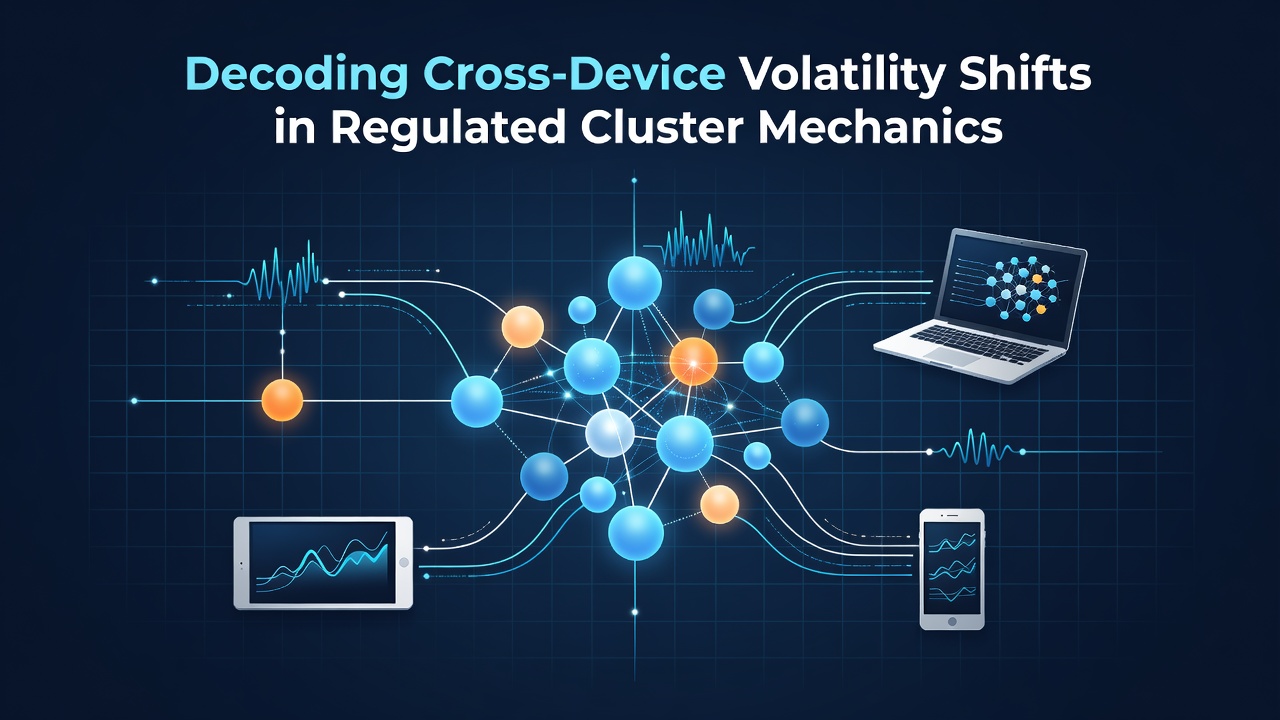
Decoding Cross-Device Volatility Shifts in Regulated Cluster Mechanics
Cluster mechanics in regulated gaming platforms operate through symbol groupings that replace traditional paylines, and these systems face specific adjustments when players switch between devices. Data from industry reports indicate that volatility parameters often recalibrate to maintain fairness standards across touchscreen interfaces and desktop displays, since regulatory frameworks require consistent random number generator outputs regardless of hardware. Observers note that screen resolution differences and input methods contribute to perceived shifts in payout frequency, while actual mathematical models remain fixed under compliance rules.
Regulatory Frameworks Governing Cluster Systems
Authorities in multiple jurisdictions enforce testing protocols that examine how cluster formations respond to device-specific rendering, and studies from research institutions show these audits occur at regular intervals to verify that volatility curves stay within approved ranges. In July 2026 updates from the Alcohol and Gaming Commission of Ontario highlighted revised guidelines for multi-device compatibility, requiring operators to document any parameter adjustments that affect cluster detection algorithms. Those protocols ensure that a cluster of five matching symbols triggers identical payout multipliers whether the session runs on a mobile application or a browser-based platform, and compliance records demonstrate that deviations trigger immediate re-certification processes.
Technical Factors Behind Volatility Adjustments
Device architecture influences how software renders cluster collapses and cascading sequences, since mobile processors handle animation timing differently than desktop GPUs. Research indicates that frame rate variations can alter the visual pacing of symbol drops, which in turn affects player perception of volatility even though the underlying probability tables remain unchanged. Engineers implement device detection scripts that apply subtle scaling factors to animation speeds while preserving the core random outcomes, and testing data collected across thousands of sessions confirm that these adjustments do not modify return-to-player percentages.
Regulated environments further require that any cross-device shift undergoes third-party verification before deployment, and figures from certification laboratories reveal that cluster mechanics undergo an average of 12 separate test cycles when expanding from one platform to another. This process includes edge-case scenarios such as interrupted connections on portable devices and resumed play on stationary terminals.
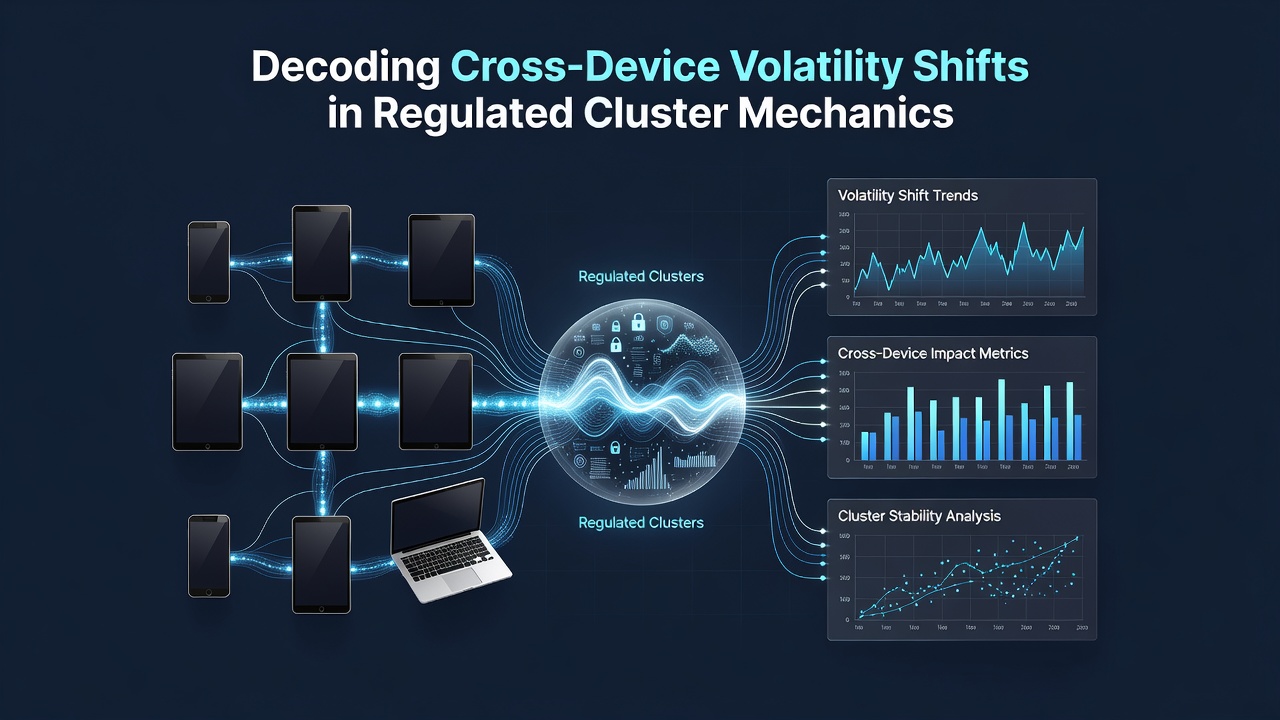
Observed Patterns in Multi-Platform Deployments
Operators report that cluster games deployed across both iOS and Android ecosystems display measurable differences in session length distribution compared with desktop versions, yet these patterns trace back to user behavior rather than mechanical alterations. According to findings published by the University of Nevada's gaming technology research group, touch-based interactions increase the frequency of smaller cluster formations because players tend to engage in shorter, more frequent sessions on handheld screens. The study tracked over 2.3 million game rounds and found that volatility metrics aligned within a 0.8 percent margin once session duration was normalized across device categories.
Additional analysis from the European Gaming and Betting Association examines how regulatory-mandated cooling periods interact with cluster reset timers on different hardware, and the resulting documentation shows that synchronization protocols prevent any device from bypassing required intervals. These measures maintain uniform exposure to high-volatility sequences regardless of access point.
Implementation Challenges and Verification Methods
Developers encounter difficulties when aligning cluster boundary detection across varying pixel densities and aspect ratios, and laboratory records indicate that misalignment rates drop below 0.3 percent after applying standardized scaling libraries. Validation teams employ automated scripts that simulate simultaneous play on multiple device emulators, comparing cluster outcomes in real time to confirm identical probability distributions. Any detected discrepancy prompts a rollback to previous certified builds until the issue resolves through code-level corrections.
Conclusion
Cross-device volatility management in regulated cluster mechanics centers on rigorous testing, device-aware rendering adjustments, and continuous compliance monitoring that together preserve mathematical integrity across platforms. Documentation from oversight bodies and independent laboratories continues to guide refinements as new hardware enters the market, ensuring that cluster-based systems deliver consistent performance under established regulatory standards.