Interdependencies Shape Prize Pool Growth Through Device Integration Strategies in Digital Entertainment
Otto Peters · Aug 5, 2026
Interdependencies Shape Prize Pool Growth Through Device Integration Strategies in Digital Entertainment
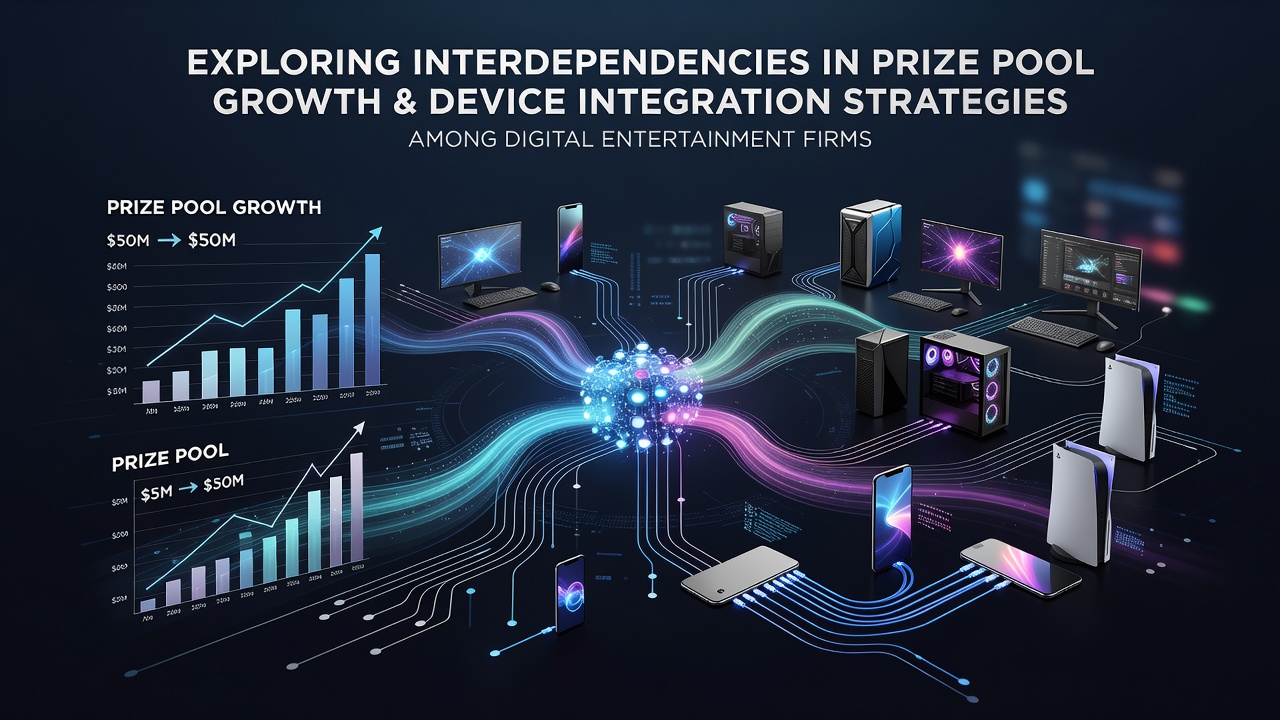
Digital entertainment firms have expanded prize pool structures through coordinated device integration efforts that connect mobile applications, desktop platforms, and emerging hardware formats, and data collected in August 2026 indicates these connections now influence contribution rates and player participation metrics across multiple markets.
Researchers who track progressive systems note that firms often pool contributions from thousands of individual bets made on smartphones and tablets, then distribute those funds into larger shared jackpots that also appear on fixed casino terminals. This approach relies on real-time synchronization protocols that maintain consistent prize displays regardless of access point, and analysts have documented how seamless cross-device functionality increases total bet volume feeding into those pools.
Core Elements of Prize Pool Expansion
Prize pool expansion depends on contribution percentages set by operators, regulatory caps on jackpot sizes in certain jurisdictions, and the volume of eligible games linked into a single network. Studies compiled by industry research groups show that networks spanning multiple device types reach critical mass faster than single-platform pools because players migrate between devices throughout the day. Figures from regulatory filings reveal that mobile contributions now account for over half of total progressive increments in several large markets.
Device compatibility requirements also affect pool eligibility rules, since some regulators mandate that only games meeting specific technical standards may feed into shared jackpots. Those standards typically cover latency thresholds, security certifications, and display consistency across screen sizes. Observers note that firms investing early in unified backend systems have integrated new device categories with fewer delays, thereby accelerating the rate at which new contribution streams enter existing prize pools.
Device Integration Tactics Employed by Firms
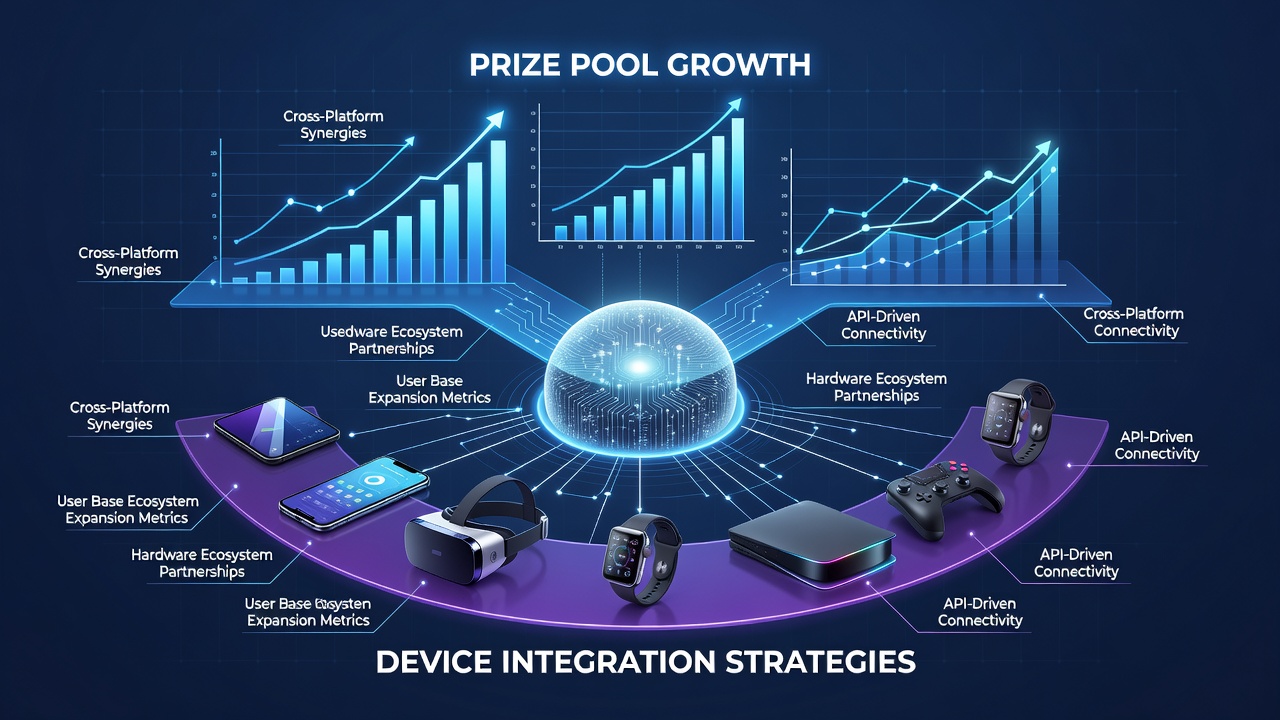
Firms pursue device integration through application programming interfaces that allow third-party game studios to connect titles to central jackpot controllers without rebuilding entire platforms. These interfaces handle currency conversion, session tracking, and jackpot increment reporting in a single data stream. Technical documentation released by major suppliers indicates that standardized APIs reduce integration timelines from months to weeks, enabling quicker addition of new games that can feed prize pools.
Cloud-based distribution further supports cross-device access by hosting game logic and jackpot engines on remote servers that push updates simultaneously to all connected endpoints. This architecture minimizes discrepancies in displayed prize amounts and allows operators to launch promotions that run identically on smartphones, tablets, and desktop browsers. Data aggregated by technology providers shows that operators using cloud systems report higher average session lengths across device types compared with legacy local-server setups.
Measured Effects of Combined Strategies
Interdependencies appear most clearly when firms adjust contribution rates after expanding device reach. For instance, once a new tablet-optimized interface goes live, operators sometimes lower the per-bet contribution slightly because overall bet volume rises enough to maintain pool growth targets. Reports issued by the Nevada Gaming Control Board document several such adjustments in 2025 and 2026 that coincided with device network expansions.
Academic papers examining player behavior patterns further illustrate that users who switch devices mid-session tend to place larger average bets once they return on a different screen, possibly because visual continuity of the jackpot meter reinforces perceived value. Those findings align with transaction logs shared by operators that link device-switch events to subsequent wager increases in progressive games.
What's interesting is how regulatory frameworks in different regions interact with these technical choices. Australian state authorities, for example, require periodic audits of jackpot controller software that runs on both mobile and land-based terminals, and those audits now include checks for synchronization accuracy across device classes. Compliance costs associated with such audits have prompted some firms to consolidate jackpot management under fewer vendors that already meet multi-device certification standards.
Future Trajectories for Linked Systems
Emerging hardware categories such as wearable displays and augmented-reality glasses present the next integration challenge. Early pilot programs conducted by several entertainment conglomerates have tested jackpot visibility on smart glasses while maintaining the same contribution logic used on traditional mobile apps. Preliminary metrics shared at industry conferences suggest these pilots increase engagement time without altering the underlying pool mathematics.
Industry associations including the European Gaming and Betting Association have published position papers outlining recommended technical standards for future device classes. Those documents emphasize modular architecture that allows new hardware to join existing prize networks without requiring full system recertification. Operators following such guidelines report faster rollout cycles when introducing support for novel interfaces.
Conclusion
Interdependencies between prize pool growth and device integration continue to define operational priorities for digital entertainment firms. Evidence from regulatory filings, technical audits, and transaction analyses demonstrates that synchronized multi-device strategies accelerate pool expansion while satisfying jurisdictional requirements. As new hardware categories enter the market, firms that maintain flexible integration frameworks position themselves to incorporate additional contribution streams efficiently. Continued documentation of these linkages will help stakeholders anticipate how technical decisions shape jackpot ecosystems in coming years.