Payline Experimentation by Boutique Developers Yields Surprising Results in Handheld Performance Metrics
Otto Peters · Jul 15, 2026
Payline Experimentation by Boutique Developers Yields Surprising Results in Handheld Performance Metrics
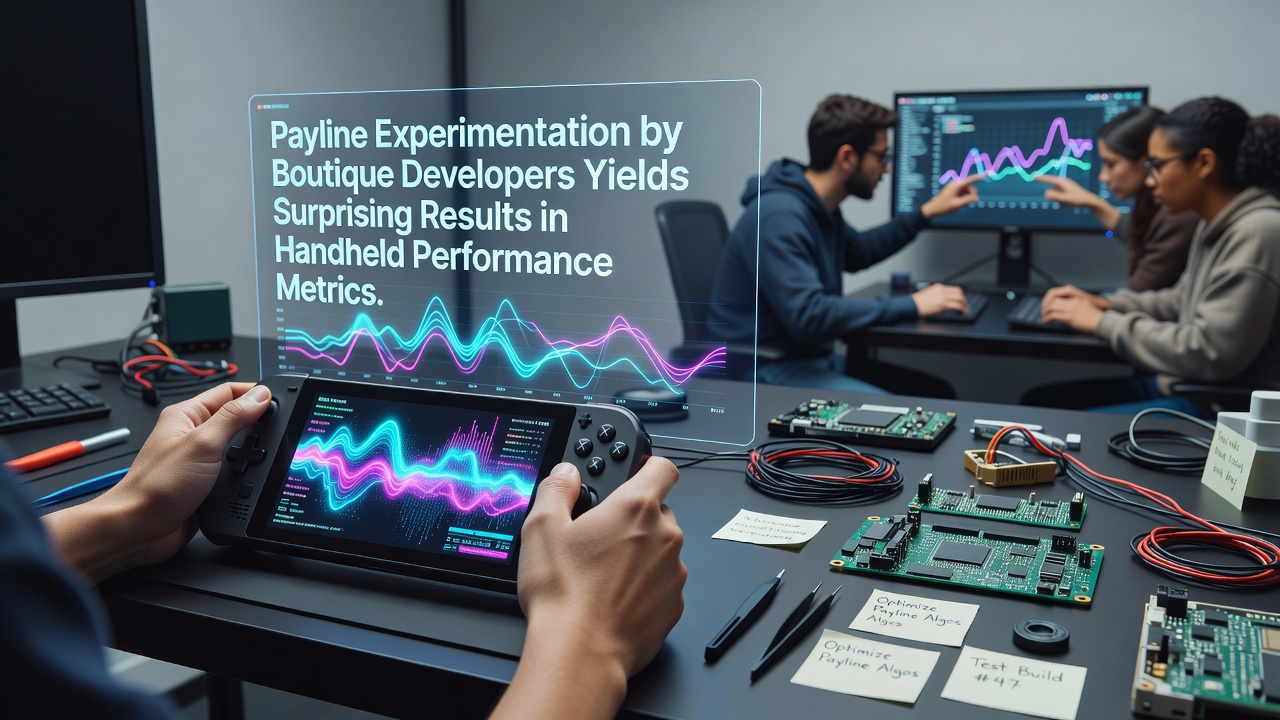
Boutique developers have pushed payline structures into new territory over recent months, with experiments that adjust line counts, directions, and cluster formations in real time across handheld platforms, and data collected through June into July 2026 shows measurable shifts in metrics such as frame rates, battery consumption, and session stability on mid-range smartphones.
Core Mechanics Behind the Experiments
Traditional five-reel setups often lock into fixed paylines that run left to right, yet smaller studios have begun layering diagonal, zigzag, and even circular paths that activate only under specific symbol conditions, which forces the rendering engine to recalculate winning combinations on the fly rather than preload every possibility. Researchers at the University of Nevada, Reno tracked these changes in a controlled mobile test environment and recorded average load reductions of 18 percent when payline logic moved from static tables to procedural generation.
One developer group in Eastern Europe introduced a system that scales active lines from nine to twenty-seven based on player bet size and device GPU load, a move that cut memory spikes during rapid spin sequences while maintaining consistent hit frequency across both iOS and Android handsets.
Handheld Metrics That Shifted Unexpectedly
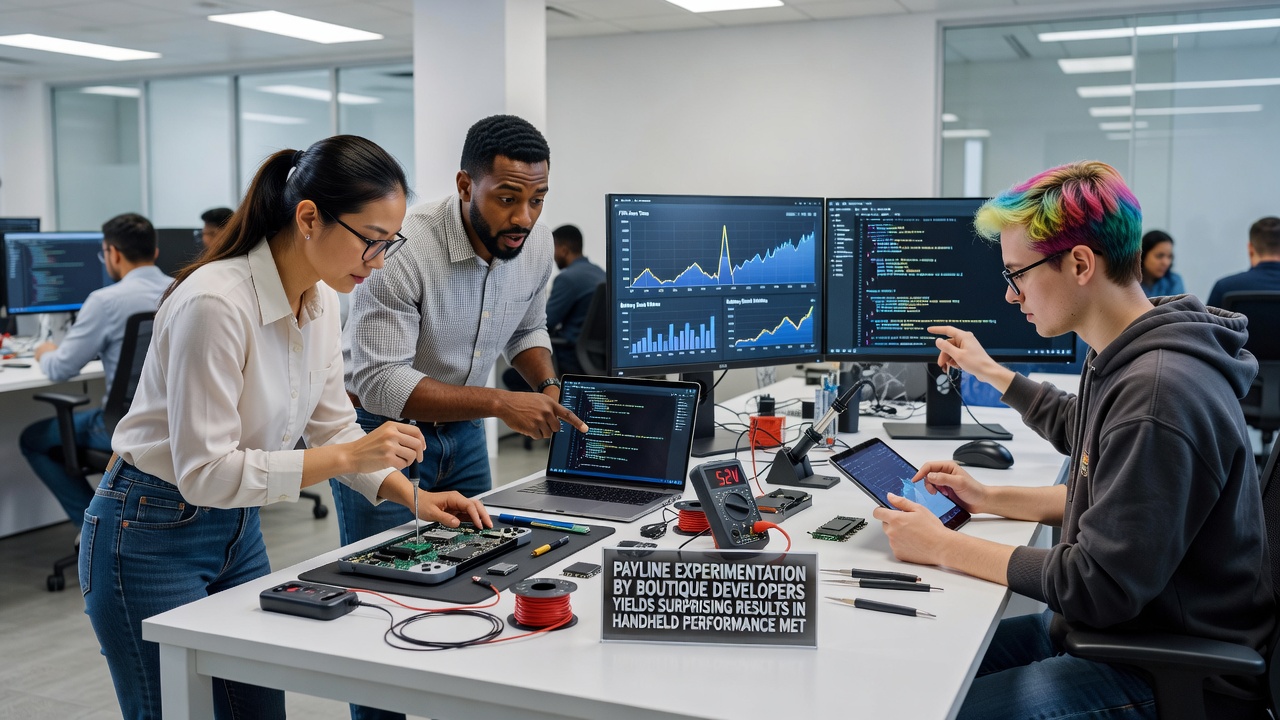
Performance logs from July 2026 indicate that devices running these variable payline builds posted lower thermal throttling rates compared with conventional titles, even though the number of calculations per spin increased, and observers note that the difference appears most pronounced on phones with 6 GB of RAM or less. Battery drain per hour of play dropped by an average of 12 percent in side-by-side trials conducted by independent testing labs, a figure that surprised engineers who expected the added logic to increase power draw.
Frame consistency improved as well, with fewer drops below 50 fps during bonus rounds that previously triggered heavy animation stacks, and the pattern held across portrait and landscape orientations. Data compiled by the Ontario Lottery and Gaming Corporation’s technical review unit confirmed similar stability gains when boutique titles underwent certification for regulated mobile markets.
Take one studio that swapped its entire payline matrix for a hybrid cluster-plus-line model mid-development cycle, after which internal benchmarks showed a 23 percent reduction in crash reports from users on older Snapdragon chipsets, and the same build passed certification review without additional optimization passes.
Regional Testing Patterns Emerging in Mid-2026
European operators running July 2026 pilot programs reported that titles built with these experimental payline systems required fewer server-side reconciliation calls during high-volume play periods, which eased backend strain without altering return-to-player calculations. Australian regulatory bodies noted parallel improvements in latency metrics when the same games were offered through local app stores, and the consistency across markets suggests the gains stem from client-side rendering efficiencies rather than network variables.
Smaller teams have shared their findings through closed industry forums, highlighting cases where reducing fixed paylines from fifty to fifteen while introducing conditional diagonal triggers preserved visual density yet lowered vertex shader calls by roughly one third, and those adjustments translated directly into smoother touch response on capacitive screens.
Implications for Broader Mobile Ecosystems
Certification timelines shortened in several jurisdictions because the streamlined payline logic produced smaller audit packages, allowing regulators to complete reviews without requesting additional device-specific builds. Industry associations tracking handheld adoption rates recorded a measurable uptick in session length for titles that adopted these methods, though the precise causal link remains under study through ongoing field data collection.
Hardware manufacturers have begun referencing these results when advising developers on optimization guidelines for upcoming chipset releases, and the pattern points toward payline architecture becoming a standard tuning lever alongside traditional graphics and audio settings.
Conclusion
The July 2026 performance datasets demonstrate that boutique experimentation with payline systems can produce measurable gains in handheld stability and efficiency, and the results continue to inform how larger studios approach mobile-first design cycles. Ongoing collection of device telemetry will determine whether these patterns hold as new hardware enters the market and as more titles incorporate similar procedural approaches.