Strategic Alliances Propel Expansions in Mobile Progressive Gaming Networks
Otto Peters · Jun 15, 2026
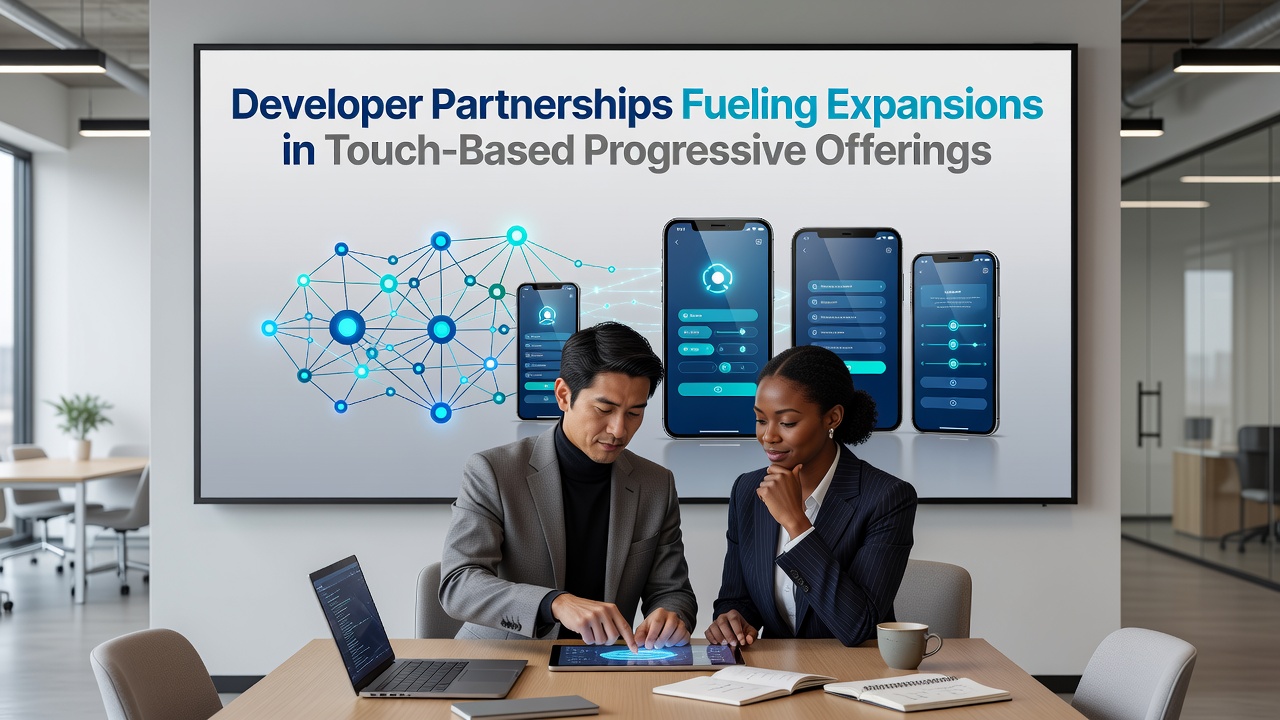
Strategic Alliances Propel Expansions in Mobile Progressive Gaming Networks
Developer partnerships have reshaped how progressive jackpot networks operate across mobile platforms, and these collaborations continue to expand the reach of touch-based offerings in regulated markets, while data from industry reports shows steady growth in interconnected systems that allow players to contribute to shared prize pools from portable devices.
Companies in the gaming software sector form alliances to combine technical resources, and this approach enables larger progressive structures that function smoothly on touchscreen interfaces, whereas isolated development often limits prize pool sizes and geographic availability.
Network Growth Through Shared Infrastructure
Multiple providers now link their progressive engines through joint agreements, which results in cross-platform jackpot accumulation that players access via apps and browsers on tablets and smartphones; observers note that these networks grew by integrating certification standards from various jurisdictions, and this process supports compliance across different regulatory environments.
One such expansion occurred when several studios pooled their libraries to create multi-title progressives, and the resulting systems delivered higher average payouts because more wagers fed into the same prize tiers, while research indicates that mobile participation rates increased following these integrations.
Technical Adaptations for Touch Interfaces
Partnerships frequently focus on optimizing reel mechanics and multiplier features for capacitive screens, so developers share code frameworks that reduce latency during spins and bonus triggers; this collaboration produces consistent performance whether users interact through portrait or landscape modes on their devices.
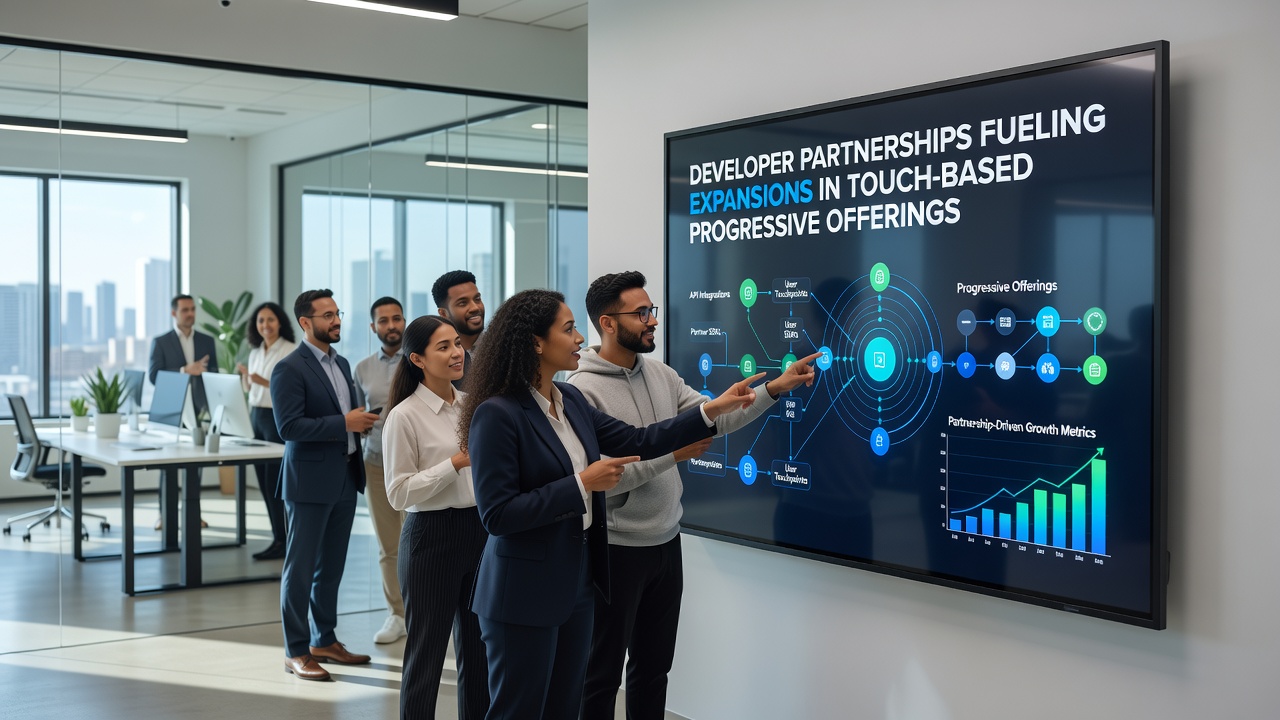
Engineers from partnered firms conduct joint testing cycles that verify seamless connectivity between backend servers and frontend touch controls, and the outcome allows real-time updates to jackpot displays without requiring separate applications for each title, whereas earlier standalone systems demanded frequent manual refreshes.
Regional Market Developments in Mid-2026
By June 2026 several alliances announced expansions into additional North American and European markets, and these moves followed successful pilot programs that demonstrated stable connections between mobile networks and land-based terminals, according to figures released by the American Gaming Association. Regulatory bodies in multiple states reviewed the new configurations, which helped clear pathways for broader deployment while maintaining strict audit requirements.
Similar patterns emerged in Australian jurisdictions where partnered developers adapted their progressive modules to meet local technical standards, and this led to increased availability of shared jackpots on approved mobile platforms, while data compiled by the Australian Communications and Media Authority tracked corresponding rises in session durations among touchscreen users.
Certification and Compliance Factors
Joint ventures streamline the certification process because shared testing protocols satisfy multiple gaming control boards at once, so providers avoid redundant submissions for each new market entry, and this efficiency accelerates rollout timelines for updated progressive features.
Independent labs evaluate the combined systems for fairness and security, and the results feed into ongoing refinements that keep touch-based interactions responsive even during peak network loads, whereas fragmented partnerships sometimes encounter delays when separate teams handle different compliance layers.
Future Trajectory of Collaborative Models
Industry analysts project continued consolidation around core progressive engines as smaller studios join established networks, and this trend supports the creation of regional prize pools that draw from wider player bases without compromising device compatibility. Partnerships also explore integration with emerging hardware such as foldable screens, which opens additional design possibilities for interface layouts.
Conclusion
Developer alliances have become central to scaling touch-based progressive offerings, and the pattern shows measurable expansion in both prize potential and market access as shared infrastructure matures. Ongoing collaborations continue to shape how these systems evolve across devices and jurisdictions.