Tracing the Impact of Portable Device Compatibility on Progressive Prize Structures in Digital Casino Offerings
Riley Hayes · May 27, 2026
Tracing the Impact of Portable Device Compatibility on Progressive Prize Structures in Digital Casino Offerings
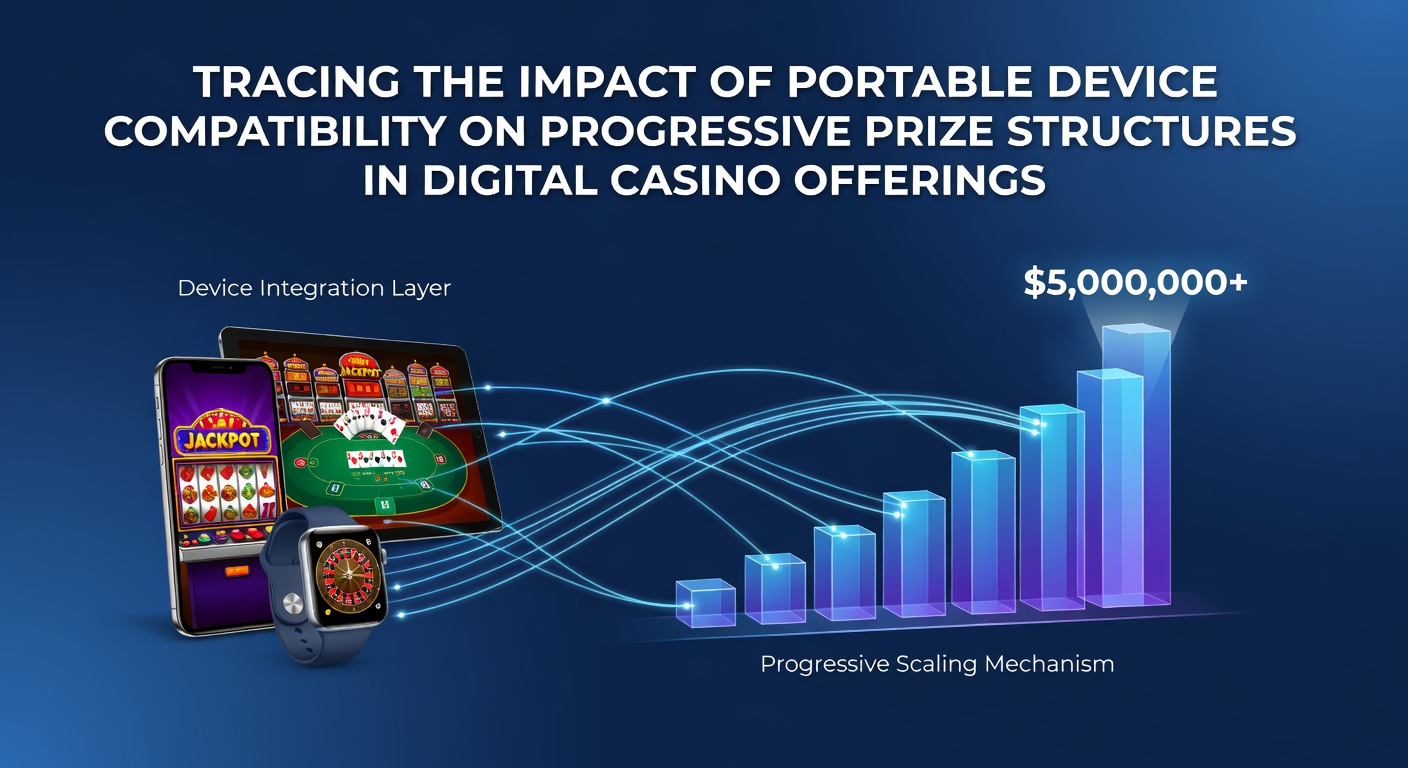
Portable device compatibility has reshaped how progressive prize structures operate in digital casino environments, and observers trace these changes back to the expansion of smartphone and tablet access that began accelerating around 2015. Data from industry tracking services shows that mobile sessions now account for over 70 percent of slot gameplay in many regulated markets, which directly affects how contributions flow into shared jackpot pools. Developers adjusted backend systems to handle simultaneous connections from multiple device types, and this technical shift allowed prize accumulation to occur across broader player bases without requiring desktop logins.
Early Integration of Mobile Access and Jackpot Mechanics
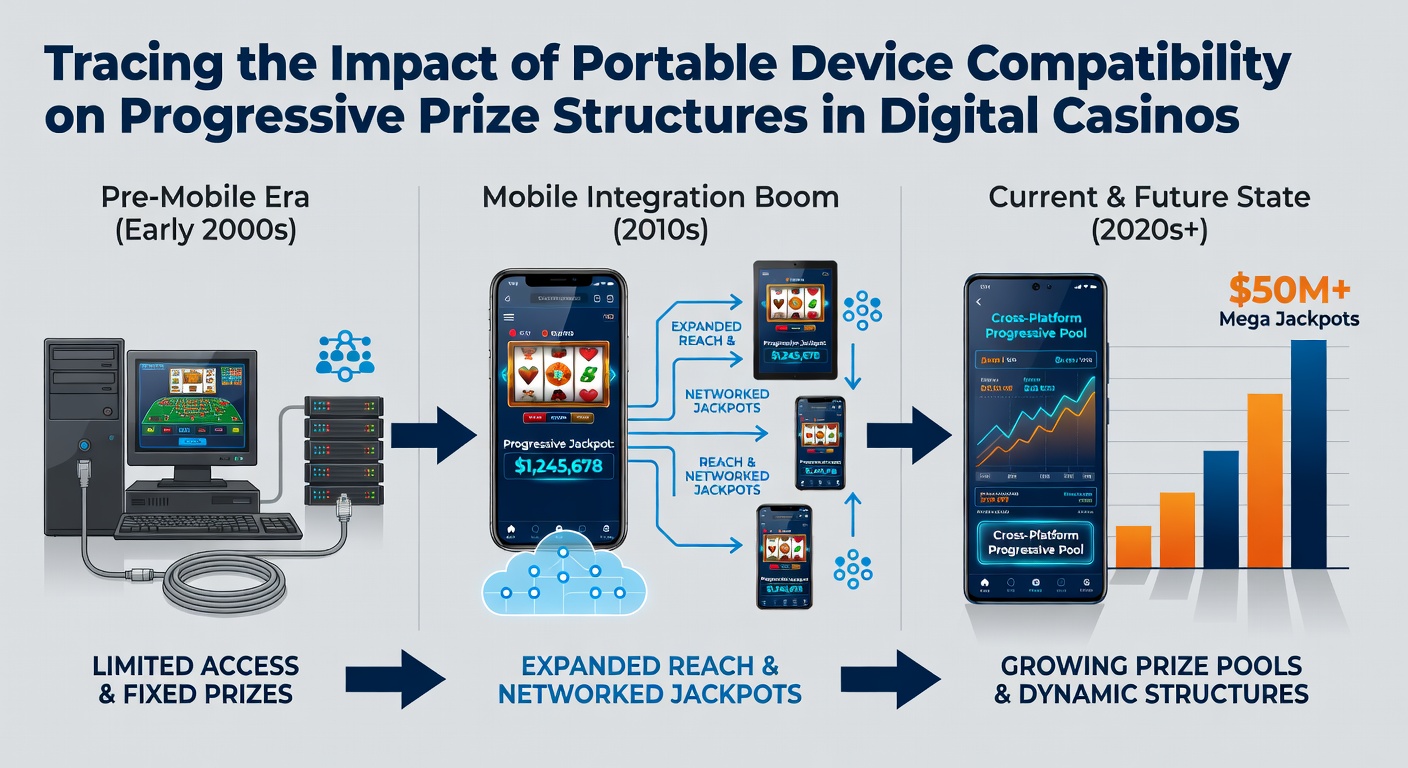
Initial progressive systems relied on fixed terminals in physical casinos or desktop-only platforms, yet the introduction of HTML5 frameworks enabled seamless play on portable devices by 2018. Researchers at various academic institutions documented how this compatibility increased participation rates, and figures from Canadian regulatory reports indicate that mobile-enabled progressive titles saw pool growth rates rise by 25 to 40 percent within two years of full rollout. Those studying these patterns note that smaller individual bets from mobile users still aggregate effectively when thousands more devices connect daily, creating larger but more frequently triggered jackpots in certain game categories.
Technical Adjustments in Prize Pool Calculations
Engineers modified random number generators and contribution algorithms to accommodate variable screen sizes and connection speeds, and these updates ensured that every spin on a compatible device added the same percentage to the progressive meter regardless of platform. According to data compiled by the New Jersey Division of Gaming Enforcement, mobile-compatible progressives distributed over 60 percent of their total payouts through smartphone interfaces by early 2025. This distribution pattern emerged because operators expanded server capacity to support real-time synchronization, which prevented delays that previously limited pool growth during peak mobile hours.
What's interesting is how device compatibility influenced the tiered prize structures themselves, with many operators introducing micro-progressives that build from low-stake mobile bets alongside major jackpots. Studies from European research groups found that these layered systems reduced the average time between wins for smaller tiers while maintaining the appeal of life-changing top prizes. Players accessing games through portable devices often trigger lower-tier awards at higher frequencies, and this behavior feeds back into the main pool through reset mechanisms that operators refined over successive software iterations.
Player Behavior Patterns and Regional Data Trends
Analytics platforms tracking digital casino activity reveal distinct differences in session lengths between device types, with mobile users completing more frequent but shorter interactions that still contribute steadily to progressive meters. Reports from the Australian Communications and Media Authority highlight that portable device play in licensed markets grew steadily through 2025, correlating with measurable increases in daily jackpot contributions across multiple operators. Those examining the data observe that cross-device play allows a single player account to add to the same progressive pool from both home computers and phones, which further accelerates accumulation without fragmenting the structure.
By May 2026, several major platforms plan to release updated compatibility standards that incorporate 5G network optimizations, and preliminary testing indicates these changes could boost real-time pool visibility on portable screens. Industry associations have compiled case studies showing how such enhancements maintain consistent prize growth even during high-traffic periods when thousands of mobile connections occur simultaneously. The reality is that regulatory bodies in multiple jurisdictions now require operators to demonstrate equitable contribution rates across all supported devices before approving new progressive titles.
Future Developments and Structural Adaptations
Software providers continue refining APIs that link mobile interfaces directly to central progressive servers, and this ongoing work supports the integration of location-based features that some markets permit under strict oversight. Data indicates that regions with strong mobile infrastructure see faster adoption of multi-level progressive formats because portable access removes previous barriers to entry. Observers note that these adaptations have led to more dynamic prize structures where contributions scale according to device performance metrics while preserving fairness across the player pool.
Regulatory Oversight and Reporting Requirements
Government agencies in various countries mandate regular audits of progressive systems to verify that mobile compatibility does not alter payout percentages or pool integrity, and these reviews often include analysis of contribution logs from different device categories. One study released by a North American university research center examined over 12 months of transaction data and found no statistically significant variance in per-bet contributions between mobile and non-mobile sessions when proper compatibility protocols are followed. This consistency allows operators to expand their offerings without restructuring existing jackpot frameworks.
Conclusion
Portable device compatibility has become a core factor in the evolution of progressive prize structures within digital casino offerings, and ongoing technical and regulatory developments continue to shape how these systems function. Data from multiple sources demonstrates steady growth in mobile-driven contributions, while structural adjustments ensure that prize pools remain balanced and accessible. As platforms prepare updates scheduled around May 2026, the focus remains on maintaining transparent and equitable mechanisms that support expanding player participation across all compatible devices.