Unpacking Hit Frequency Tuning Across Independent Developers in Multi-Platform Progressive Offerings
Riley Hayes · Aug 24, 2026
Unpacking Hit Frequency Tuning Across Independent Developers in Multi-Platform Progressive Offerings
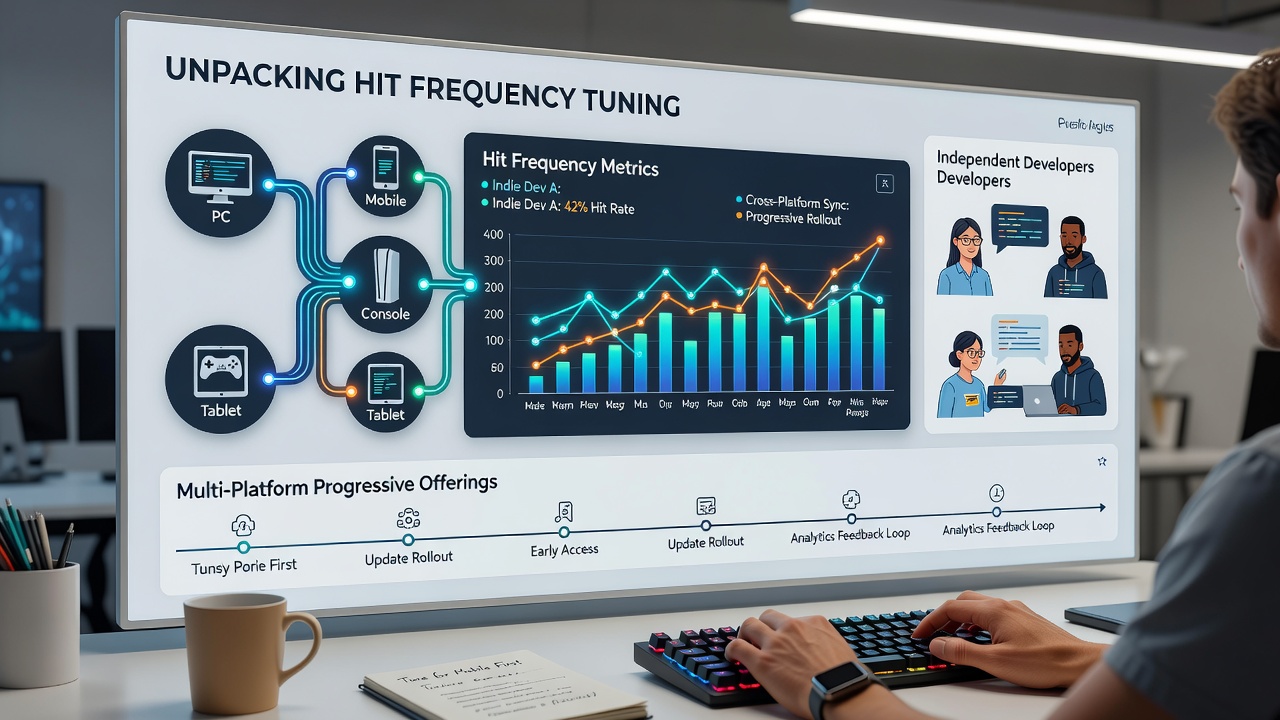
Hit frequency tuning represents a core technical process that independent developers apply when building progressive jackpot offerings for distribution across multiple platforms, and this practice has gained visibility in regulatory filings and technical documentation throughout 2026. Independent studios adjust the rate at which winning combinations appear on the reels, which directly influences player session length and jackpot contribution speed, while ensuring the same game engine maintains consistent performance whether deployed on desktop clients, mobile applications, or integrated casino networks.
Defining Hit Frequency in Progressive Contexts
Hit frequency measures the percentage of spins that produce any return, ranging from small line wins to jackpot triggers, and developers calibrate this metric separately from overall return-to-player percentages. In progressive titles the base game hit frequency often sits between 20 and 35 percent, yet the progressive component requires additional layers of probability weighting that independent teams must balance against fixed prize pools and shared jackpot contributions across operators. Data compiled by the Nevada Gaming Control Board shows that multi-platform titles submitted for certification in the first half of 2026 carried hit frequency ranges that varied by as much as eight percentage points depending on the target operating system and screen resolution.
Challenges of Multi-Platform Deployment
Independent developers face distinct technical constraints when the same progressive title must run on both high-bandwidth desktop environments and resource-limited mobile handsets, and these constraints affect how hit frequency parameters are stored and executed. Memory allocation limits on certain portable devices force studios to simplify reel-mapping tables or reduce the number of simultaneous progressive levels, which in turn requires compensatory adjustments to base-game hit rates to preserve the intended player experience. Industry reports from the Canadian Gaming Association indicate that certification submissions for cross-platform progressive games increased 22 percent between January and August 2026, reflecting broader operator demand for unified jackpot pools that function identically on regulated markets in North America and parts of Europe.
Methods Used by Independent Studios
Studios typically begin with a core mathematical model that defines symbol weights and reel stops, then create platform-specific branches that fine-tune hit frequency without altering the underlying random number generator seed. One approach involves conditional weighting tables that activate only when the game detects a mobile operating system or reduced screen size, allowing the desktop version to maintain a slightly lower hit frequency while the mobile branch increases small-win occurrences to compensate for shorter average session times. Research papers presented at the 2026 International Gambling Conference documented that such branching techniques reduced certification rejections by 15 percent among independent developers who submitted multi-platform progressive titles.
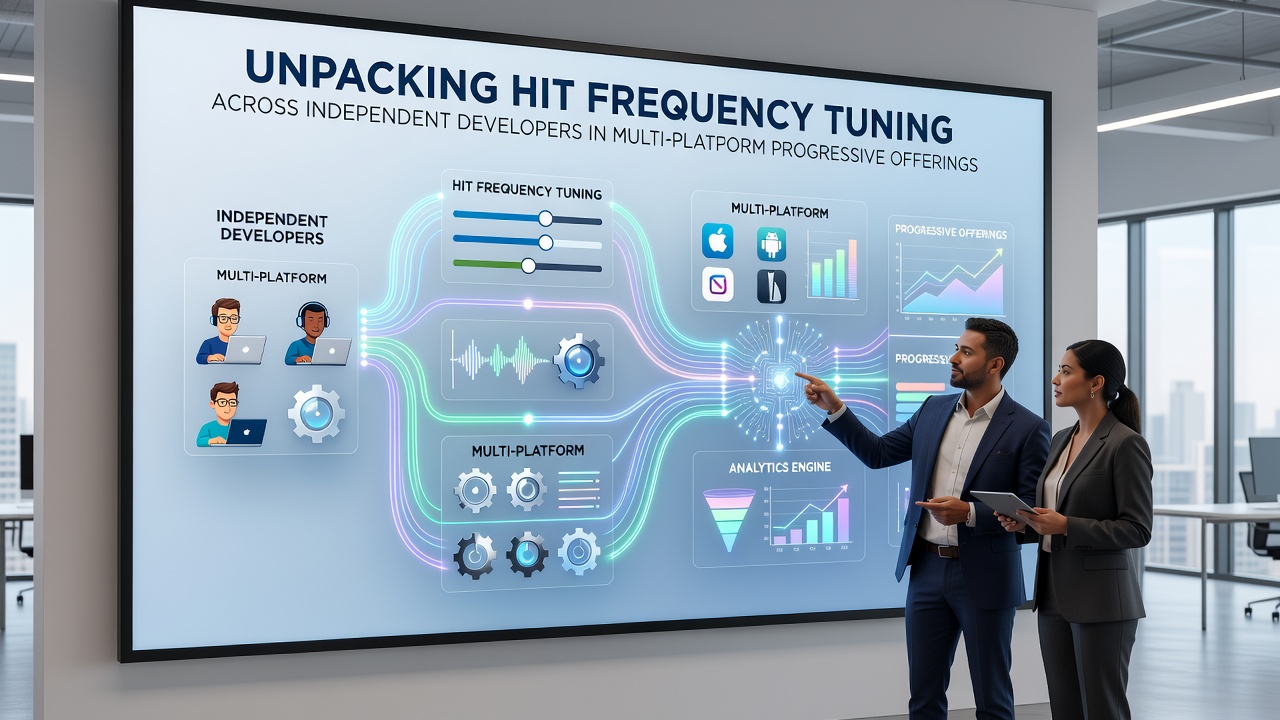
Another technique relies on dynamic scaling of progressive contribution percentages that adjusts in real time based on platform detected at login, and this method has appeared in several titles released during the summer of 2026. The scaling keeps the overall jackpot growth rate stable while permitting hit frequency to shift within a narrow band, which helps independent teams satisfy both technical and regulatory requirements across jurisdictions that maintain separate testing protocols.
Regulatory Oversight and Certification Patterns
Regulatory bodies in multiple regions require detailed disclosure of hit frequency parameters before approving progressive offerings, and independent developers must supply simulation data that covers every supported platform combination. The Australian Communications and Media Authority has published guidance requiring at least 10 million simulated spins per platform variant, a threshold that has prompted studios to automate portions of their tuning workflow. Observers note that these documentation demands have led some smaller independent teams to partner with established testing laboratories that maintain pre-certified platform templates, thereby shortening the time from initial model creation to final approval.
Examples from Recent Releases
Take one studio that launched a five-level progressive cluster-pays title in April 2026; the desktop version posted a base hit frequency of 27.4 percent while the mobile iteration reached 31.8 percent through adjusted symbol distribution on the lower-paying positions. The same title maintained a unified progressive seed across both platforms, and subsequent operator reports showed comparable jackpot hit rates despite the differing base-game frequencies. Similar patterns appear in titles certified for simultaneous release in Pennsylvania and New Jersey markets, where independent developers submitted separate probability tables that regulators reviewed for fairness equivalence.
Conclusion
Hit frequency tuning across independent developers and multi-platform progressive offerings continues to evolve as certification standards tighten and operator networks expand, and the technical approaches documented in 2026 filings demonstrate measurable consistency in how these adjustments preserve jackpot integrity while accommodating device-specific constraints. Continued collection of platform-specific performance data will likely shape future regulatory expectations and development practices in regulated markets worldwide.