Unraveling Shared Animation Pipelines in Niche Reel Studios for Cross-Platform Integration
Riley Hayes · Aug 26, 2026
Unraveling Shared Animation Pipelines in Niche Reel Studios for Cross-Platform Integration
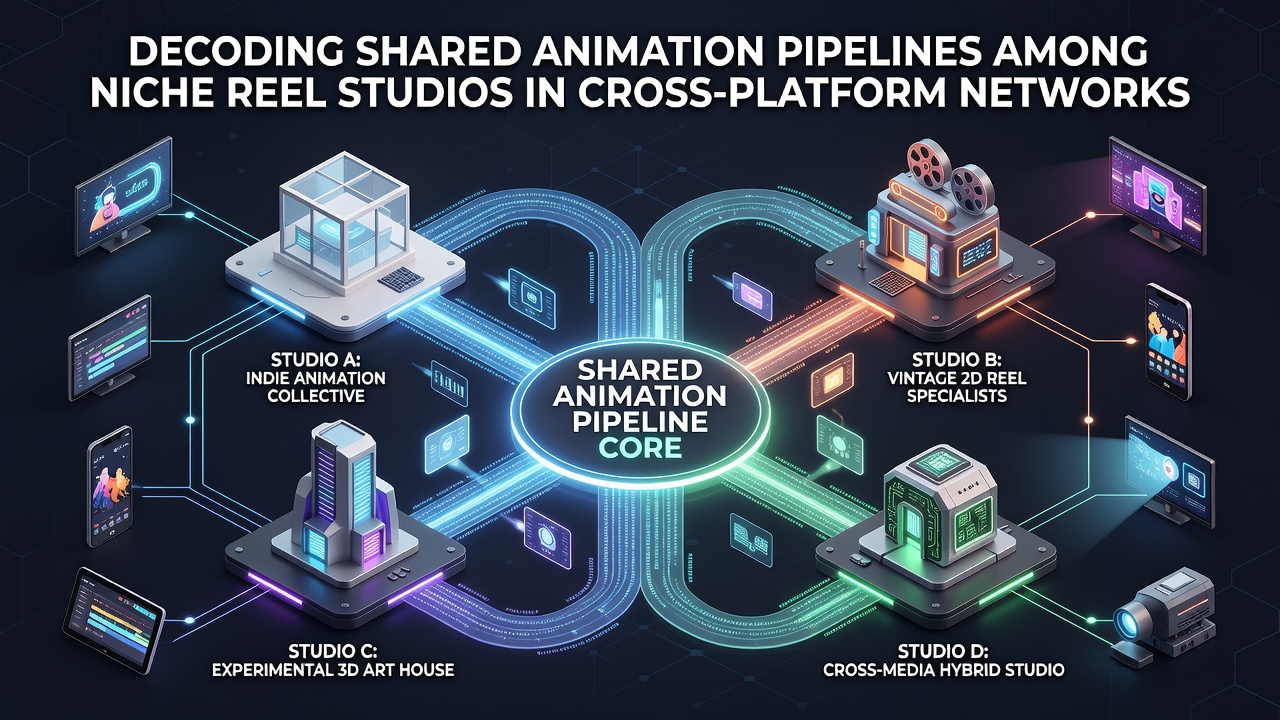
Specialized reel studios have developed methods to pool animation resources in ways that support consistent output across multiple device types, and observers note these arrangements often involve modular asset libraries that teams can adapt without rebuilding entire sequences from scratch. Data from industry reports indicates smaller operations benefit when they align on common file formats and rendering standards, which reduces duplication while maintaining distinct visual signatures for each brand.
Core Components of Pipeline Sharing
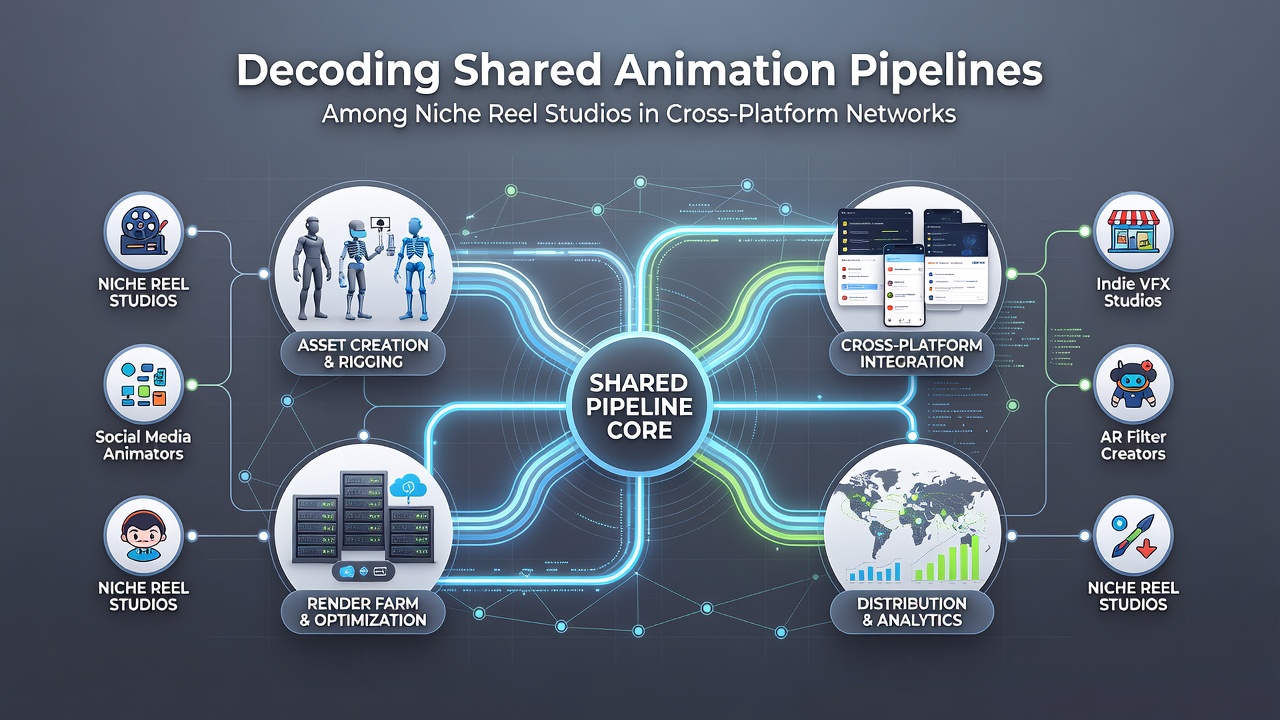
Shared pipelines typically center on centralized animation rigs, texture atlases, and timing scripts that multiple studios access through secure repositories, and researchers have documented how these systems allow for simultaneous updates that propagate to all connected projects. Experts observe that version control tools play a central role here, enabling teams to track changes across contributors without overwriting unique elements that define individual studio styles.
One case involved a cluster of European developers who synchronized their reel spin animations through a common middleware layer, and figures reveal this approach cut production cycles by integrating feedback loops directly into the shared framework. Those who've examined the setups point out that compatibility layers handle variations in screen resolutions and processor speeds, ensuring the same core sequences perform reliably on both handheld devices and larger displays.
Technical Standards Driving Collaboration
Industry organizations such as the Gaming Standards Association have outlined protocols that encourage uniform animation data structures, and regulatory bodies in regions like Australia require documentation of these pipelines to verify fair play mechanics across platforms. Studies from academic groups show that adherence to open formats like glTF supports smoother asset transfers between studios working on different operating systems.
But here's the thing: not every niche studio starts with identical capabilities, so alliances often form around complementary strengths where one group supplies advanced particle effects while another handles character rigging. Evidence suggests these pairings become more common when cross-platform networks expand, since synchronized animations help maintain player recognition regardless of access point.
What's interesting is how August 2026 brought new testing frameworks that several studios adopted simultaneously, allowing real-time validation of shared sequences before deployment. Observers note this timing aligned with broader network updates that emphasized reduced latency in animation playback across connected environments.
Challenges in Maintaining Distinct Identities
Even with shared resources, studios work to preserve visual differentiation through custom overlays and timing variations that sit on top of the common pipeline, and data shows this layering technique prevents homogenization while still gaining efficiency from pooled assets. Those who've studied the process highlight how color grading tools and secondary motion adjustments serve as key differentiators that remain under individual control.
Take one group of independent developers who integrated their pipelines for a joint cross-platform project, and records indicate the collaboration produced consistent reel behaviors without erasing each studio's signature flourishes. Researchers discovered that audit trails within these systems help track which elements stay proprietary versus which draw from the shared pool, supporting compliance with various oversight requirements.
Future Directions for Pipeline Networks
Additional partnerships are forming with research institutions focused on procedural animation generation, and Canadian regulatory reports suggest such integrations could streamline approval processes for multi-jurisdictional releases. The reality is that as networks grow, the emphasis shifts toward scalable sharing models that accommodate both established niche players and emerging entrants.
Yet the core remains the same: coordinated animation pipelines enable smaller studios to compete in environments dominated by larger entities through collective technical leverage. According to available metrics, adoption rates continue to rise as tools mature and cross-platform demands intensify.
Conclusion
Shared animation pipelines represent a practical evolution in how niche reel studios operate within interconnected networks, delivering efficiency gains while supporting varied creative outputs. Continued documentation from industry and regulatory sources will likely shape the next phase of these collaborations as technical standards evolve further.